👉 Interested in lowering your home insurance premium? Ask about getting fortified!
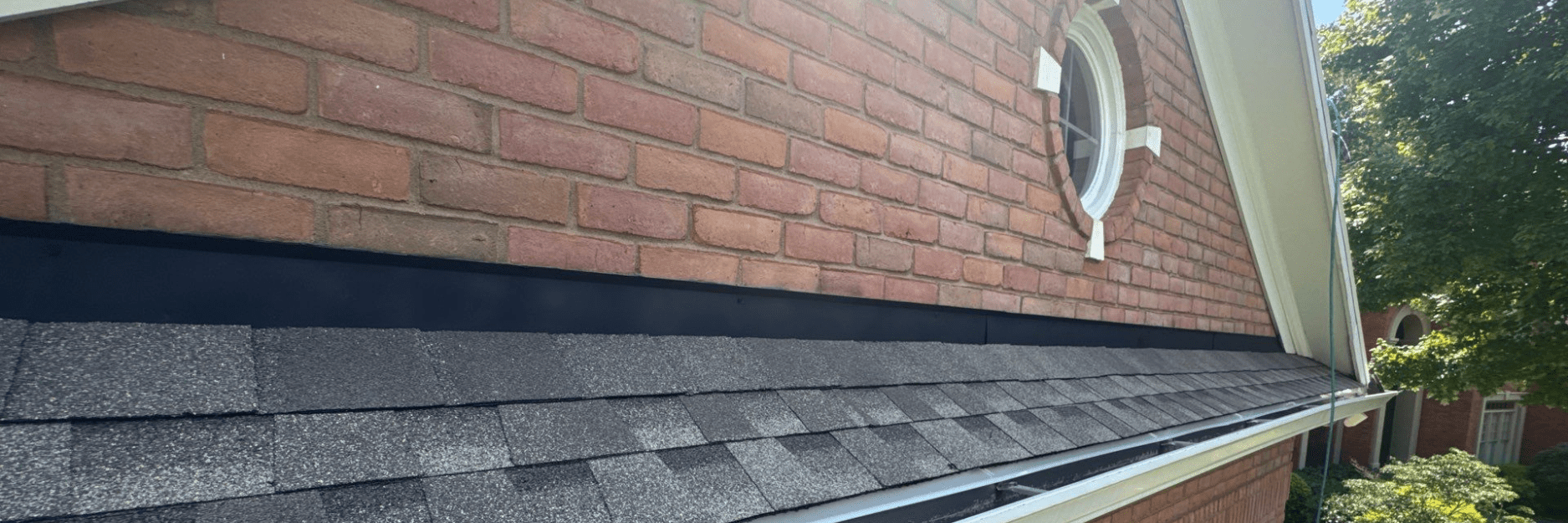
If you've ever noticed the metal strips around your chimney or the edges where your roof meets a wall, you've seen counter flashing in action. It's one of those roofing components that often goes unnoticed—until it fails. As a homeowner in neighborhoods like Nob Ridge Drive in Marietta, GA, or areas like Sandy Springs, GA, understanding flashing can save you from costly repairs and keep your home dry during Georgia's unpredictable weather.
At its core, counter flashing is a protective metal layer installed over base flashing at roof-wall intersections. Its primary role is to prevent water from seeping behind base flashing, which could lead to leaks and structural damage. Think of it as the second line of defense in your roofing system.
There are two main types of flashing:

Without proper flashing, water can infiltrate behind base flashing, leading to leaks and potential mold growth inside your home. This is particularly concerning in areas like Marietta, GA, where heavy rains are common.
Water penetration can weaken the roof deck, rafters, and even the foundation over time. By directing water away from vulnerable areas, flashing helps maintain your home's structural integrity.
Regular maintenance and timely replacement of flashing can extend the life of your roof. In fact, well-maintained flashing can last 20-30 years, depending on the material and environmental conditions.
Properly installed flashing provides a clean, finished look to the junction of roof and wall, enhancing your home's overall appearance. This can be especially important if you ever decide to sell.
The choice between stepped and straight flashing depends on your home's architecture and the materials used. For instance, if your home in Sandy Springs, GA, features a brick chimney, stepped flashing is ideal as it accommodates the masonry's expansion and contraction. Conversely, if your home has a stucco exterior, straight counter flashing may be more appropriate.

Regular inspection of flashing is crucial. Look for signs of damage such as rust, loose sections, or gaps. If you notice any of these issues, it's time to consult a professional roofer.
Even the best materials have a lifespan. If your counter flashing is over 30 years old or shows significant signs of wear, it's time to consider replacement. Replacing old or damaged counter flashing not only prevents leaks but also ensures your roof meets current building codes.

Flashing may not be the most glamorous part of your roof, but it's certainly one of the most important. By preventing water intrusion and protecting your home's structural integrity, it plays a vital role in maintaining a dry, safe, and attractive home.
If you're in the Marietta, GA, or Sandy Springs, GA, area and need assistance with your counter flashing, don't hesitate to reach out to Georgia Roof Advisors. Our team of experts is here to ensure your roof—and your home—stay protected for years to come.
Remember, a little maintenance goes a long way in preserving the health of your roof and your home. Stay proactive, and your roof will thank you!
Counter flashing is a protective metal flashing installed over base flashing where the roof meets a wall, chimney, or other vertical surface. Its purpose is to prevent water from getting behind the flashing and causing roof leaks or structural damage.
Counter flashing helps protect your home from water intrusion by directing rainwater away from vulnerable roof areas. Without proper counter flashing, moisture can seep into your roof system and cause leaks, mold, and wood rot.
Step flashing is installed underneath shingles in sections along walls or chimneys, while counter flashing covers and protects the top edge of the step flashing. Together, they create a watertight roofing system.
Most counter flashing lasts between 20 and 30 years depending on the material, weather conditions, and installation quality. Regular roof inspections can help identify damage before leaks occur.
Common signs include rust, loose metal, cracked sealant, water stains on ceilings, chimney leaks, and visible gaps around the flashing. These issues should be repaired quickly to avoid further roof damage.
Yes. If counter flashing is improperly installed, loose, corroded, or missing, water can enter behind the flashing and lead to roof leaks, mold growth, and interior water damage.
Counter flashing repair costs vary depending on the extent of the damage, roof accessibility, and materials used. Minor repairs may be affordable, while full chimney flashing replacement can cost more due to labor and masonry work.
Yes. In many cases, roofing professionals recommend replacing old flashing during a roof replacement to ensure the new roofing system is fully protected and meets current building standards.
Counter flashing is commonly made from aluminum, galvanized steel, copper, or stainless steel. The best material depends on your roof type, climate, and budget.
Professional roofing contractors like Georgia Roof Advisors install and repair counter flashing in Marietta, GA, Sandy Springs, GA, and surrounding areas to help homeowners prevent roof leaks and protect their homes.